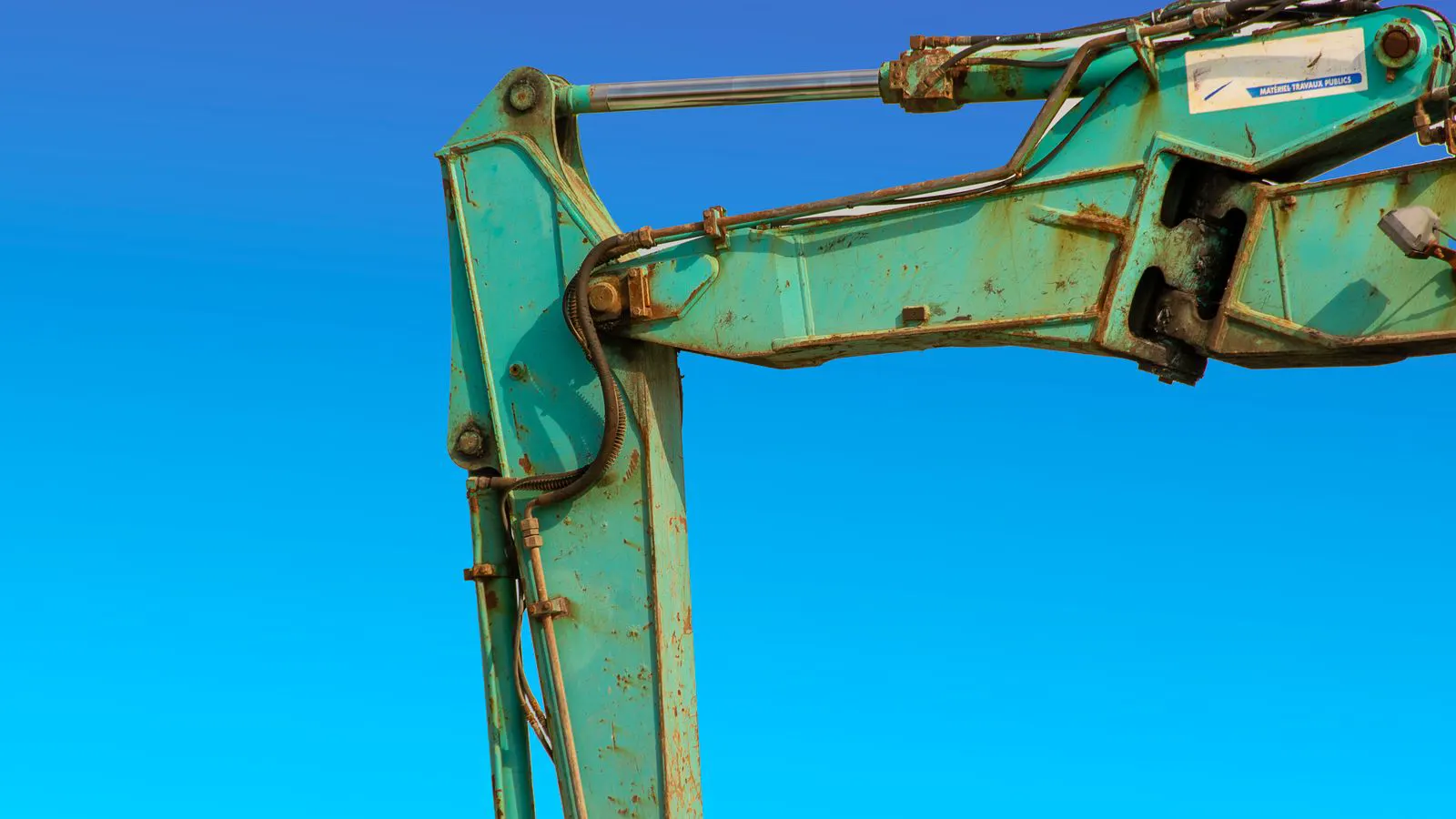
Cylinders & Actuators
How to Size a Hydraulic Cylinder for Your Load
Hydraulic cylinder sizing depends on load magnitude and required travel. Calculate bore diameter from force and pressure, then set stroke length to match mechanical
Practical hydraulic guidance for engineers and buyers.
Buyers in the hydraulic industry make decisions on supplier capability, component specifications, quality checks, and lead times. This site gives you the technical context to compare options and ask the right questions.
The content covers hydraulic pumps, cylinders, valves, fluid filtration, troubleshooting, standards, and supplier selection. Each section uses plain language and focuses on the variables that affect reliability and cost.

Start with the stage of the sourcing process you are in.
Hydraulic cylinder sizing depends on load magnitude and required travel. Calculate bore diameter from force and pressure, then set stroke length to match mechanical
A pump converts mechanical energy into hydraulic energy. A motor converts hydraulic energy into mechanical rotation. They use similar internal components but are engineered for opposite power flows.
Consider the required force, stroke length, mounting position, and speed. Check the bore size and rod diameter against your load. Verify the seal type matches the operating temperature and fluid.
Filters remove particulates that cause wear in pumps, valves, and cylinders. Regular filtration extends component life and prevents system failure from contamination.
Verify the flow rate, pressure rating, port size, and control type. Match the valve to your system's pressure profile and ensure it is compatible with your manifold design.
Check for fluid leaks, air in the system, or a restricted filter. Verify the pump output and cylinder seal integrity. Measure system pressure to identify the bottleneck.
Follow applicable national and international standards for pressure vessels, piping, and electrical safety. Ensure all components are rated for the system's maximum pressure and temperature.