How to Size a Hydraulic Cylinder for Your Load
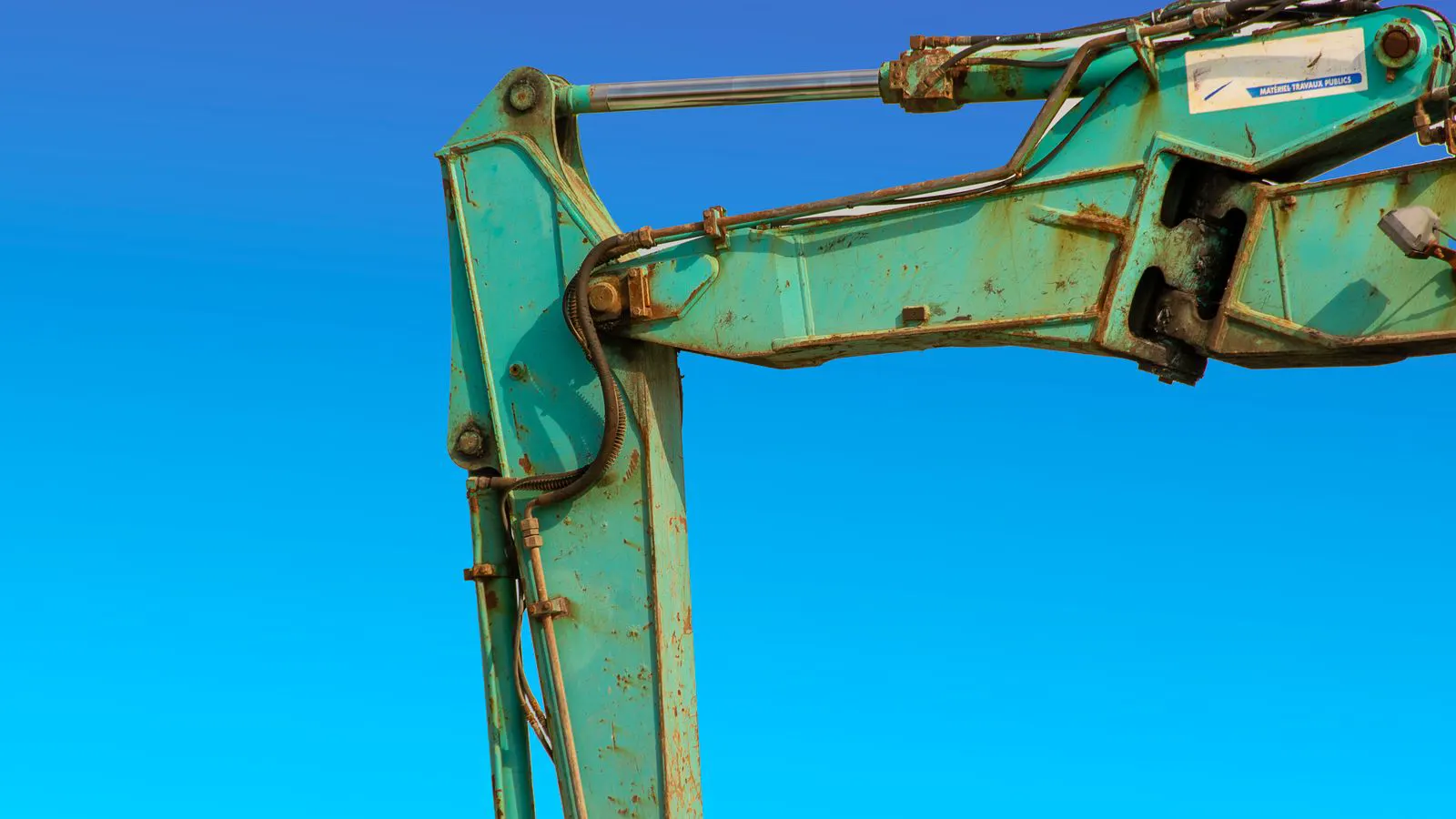
Hydraulic cylinder sizing depends on load magnitude and required travel. Calculate bore diameter from force and pressure, then set stroke length to match mechanical movement. Check seals, mounts, and fluid compatibility before ordering.
- Bore diameter determines the force capability of the cylinder based on available system pressure.
- Stroke length must match the mechanical travel required by the load without exceeding the housing limit.
- Always verify pressure ratings against the maximum load and include a safety factor.
- Check mounting type, seal material, and rod diameter to ensure the cylinder fits the mechanism.
- Confirm the cylinder's pressure rating and fluid compatibility with the hydraulic system.
The Core Principle of Hydraulic Cylinder Sizing
Hydraulic cylinder sizing starts with two numbers: the force required to move the load and the distance the load must travel. These values drive the bore diameter and stroke length. If the bore is too small, the cylinder will not generate enough force, and the pump will struggle against relief valves. If the stroke is too short, the mechanism will not complete its cycle. If the stroke is too long, the cylinder becomes bulky and may require a larger housing.
The process is not about guessing. It is about converting mechanical requirements into hydraulic dimensions. A cylinder is a simple machine that converts fluid pressure into linear force. The force is calculated by multiplying the pressure by the area of the piston. The area is defined by the bore diameter. This relationship is the foundation of the sizing task.
When selecting a cylinder, the operator or engineer must look at the entire system. The pump supplies pressure, the valve controls flow and pressure, and the cylinder delivers force. The cylinder must match the system’s maximum pressure and the mechanical load’s demands.
Calculating Bore Diameter from Load Force
The bore diameter is the internal diameter of the cylinder tube. It defines the surface area of the piston. A larger bore creates a larger area, which generates more force at the same pressure. The formula for force is pressure times area. In metric terms, force in newtons equals pressure in pascals times area in square meters. In imperial terms, force in pounds equals pressure in psi times area in square inches.
To find the required bore, you work backward. You know the load force. You know the maximum system pressure. You calculate the minimum area needed. You then solve for the diameter. This gives the smallest bore that can handle the load. In practice, you select the next standard size up from that calculation. Standard sizes vary by manufacturer, but they follow common increments.
Consider a simple press. The load is 50,000 newtons. The system pressure is 20,000,000 pascals. The required area is 2.5 square meters. The required diameter is about 56.4 millimeters. A standard 60 millimeter bore would be the logical choice. The 60 millimeter piston provides slightly more area than the minimum, which adds a margin for safety and future load increases.
Determining Stroke Length from Mechanical Travel
Stroke length is the distance the rod travels from one end of the stroke to the other. It must match the mechanical movement required by the application. If the load needs to move 200 millimeters, the cylinder stroke must be at least 200 millimeters. Adding extra stroke can help with mounting clearance or alignment, but it increases the cylinder’s length and the amount of fluid required.
The stroke is not determined by pressure. It is determined by geometry. Measure the travel path of the load. Add any necessary clearance for end stops or mounting brackets. The total travel is your target stroke. If the mechanism has a fixed frame, the cylinder length must fit within that space. Sometimes, a longer cylinder is needed to allow for the rod to extend fully without bending or binding.
A common mistake is to select a stroke that is too short. The cylinder reaches the end of its travel before the load is fully moved. This can damage the cylinder’s seals or the mechanical linkage. Another mistake is to select a stroke that is too long. The cylinder becomes unnecessarily large, which can complicate installation and increase the cost of the housing.
The Role of Pressure Ratings and Safety Factors
The cylinder must be rated for the maximum pressure in the system. Most hydraulic systems operate at pressures between 10,000 and 30,000 psi, or roughly 70 and 200 bar. The cylinder’s pressure rating is the maximum pressure it can withstand without leaking or failing. This rating is usually stamped on the cylinder body.
When sizing, apply a safety factor to the calculated force. This accounts for variations in load, friction, and system pressure. A typical safety factor is 1.25 to 1.5, but this depends on the application. A heavy press may require a higher factor than a light positioning actuator. The safety factor should be applied to the calculated bore diameter, not just the force.
Check the pressure rating of the seals as well. Different seal materials have different pressure and temperature limits. If the system uses high-temperature fluid, the seals must be compatible. If the fluid is aggressive, such as a water-based hydraulic fluid, the seals and cylinder body material must be resistant to corrosion.
Mounting Types and Rod Diameter Considerations
The mounting type affects the cylinder’s length and the way it attaches to the machine. Common mounts include flange, clevis, and rod-end mounts. The mounting type must match the space available in the mechanism. A flange mount is often used when the cylinder is mounted to a flat surface. A clevis mount is used when the cylinder is attached to a swinging arm or a linkage.
The rod diameter is the diameter of the piston rod that extends from the cylinder. The rod must be strong enough to handle the load without bending. The rod diameter is usually smaller than the bore diameter, but it must be rated for the force. If the rod is too small, it can buckle under the load, especially if the cylinder is mounted in a way that creates side loads.
Side loads are a common issue. If the cylinder is not aligned perfectly with the load, force is applied to the rod at an angle. This can cause bending and wear. To prevent this, use a mounting type that allows for some alignment, or use a guide rail. The cylinder’s design should account for any expected misalignment.
A Worked Example: Sizing a Hydraulic Press
Imagine a hydraulic press that needs to compress a metal sheet. The load is 100,000 newtons. The required travel is 150 millimeters. The system pressure is 25,000,000 pascals. The application is a light industrial press, so a safety factor of 1.25 is appropriate.
First, calculate the required area. The load with safety factor is 125,000 newtons. The required area is 125,000 divided by 25,000,000, which equals 0.005 square meters. The required diameter is about 79.8 millimeters. A standard 80 millimeter bore is the correct choice.
Next, set the stroke. The required travel is 150 millimeters. Add 20 millimeters for mounting clearance. The total stroke is 170 millimeters. A standard 180 millimeter stroke is a good fit.
The cylinder must be rated for at least 25,000,000 pascals, or 3,600 psi. Check the pressure rating on the cylinder body. The mounting type should be a flange mount to attach to the press frame. The rod diameter should be large enough to handle the load without bending, typically 40 millimeters for an 80 millimeter bore. The seals should be compatible with the hydraulic fluid, which is likely a standard mineral oil.
| Parameter | Value | Calculation or Source |
|---|---|---|
| Load Force | 100,000 N | Measured from application |
| Safety Factor | 1.25 | Typical for light industrial |
| System Pressure | 25,000,000 Pa | Pump and relief valve setting |
| Required Area | 0.005 m² | 125,000 N / 25,000,000 Pa |
| Required Bore | 79.8 mm | Square root of area formula |
| Selected Bore | 80 mm | Standard size |
| Required Stroke | 150 mm | Measured mechanical travel |
| Selected Stroke | 180 mm | Standard size with clearance |
Verifying the Selection Against the System
Before ordering, verify the cylinder against the entire hydraulic system. Check the pump’s flow rate. The cylinder’s speed depends on the flow rate and the bore area. A larger bore requires more flow for the same speed. If the pump cannot supply enough flow, the cylinder will move slowly.
Check the valve’s capacity. The valve must be able to control the cylinder’s pressure and flow. If the valve is undersized, the cylinder may not reach full pressure or may have a limited speed. The valve’s pressure rating must also match the system.
Finally, check the fluid. The cylinder’s seals and body must be compatible with the hydraulic fluid. If the system uses a different fluid than expected, the seals may degrade quickly. This can lead to internal leakage and loss of pressure. Always match the cylinder’s seal material to the fluid type.
The sizing process is iterative. You may need to adjust the bore or stroke based on the pump’s capabilities or the space available. Start with the mechanical load and travel, then check the hydraulic system’s limits. If the cylinder does not fit, consider changing the mounting type or the system pressure. The goal is a cylinder that fits the load, fits the space, and works with the system.
Frequently asked questions
How do I know if my current cylinder is too small?
If the cylinder reaches the end of its stroke before moving the load, or if the pump pressure drops when the cylinder extends, the bore is likely too small. Check the pressure gauge during operation.
What is the difference between bore diameter and rod diameter?
Bore diameter is the internal diameter of the cylinder tube, which determines the piston area and force. Rod diameter is the diameter of the extending rod, which must be strong enough to handle the load without bending.
Can I use a cylinder with a longer stroke than required?
Yes, but a longer stroke increases the cylinder's length and the amount of fluid required. It may also make the cylinder harder to install in a tight space. Match the stroke to the mechanical travel plus clearance.
What pressure rating should I look for on a cylinder?
Look for a cylinder rated at or above the maximum system pressure. Check the pressure rating stamped on the cylinder body. If the system pressure varies, use the highest expected pressure.
How do I check if the rod diameter is sufficient?
Compare the rod diameter to the bore diameter and the expected load. A rod that is too small can buckle under side loads. Use a mounting type that reduces side forces or select a larger rod diameter.